
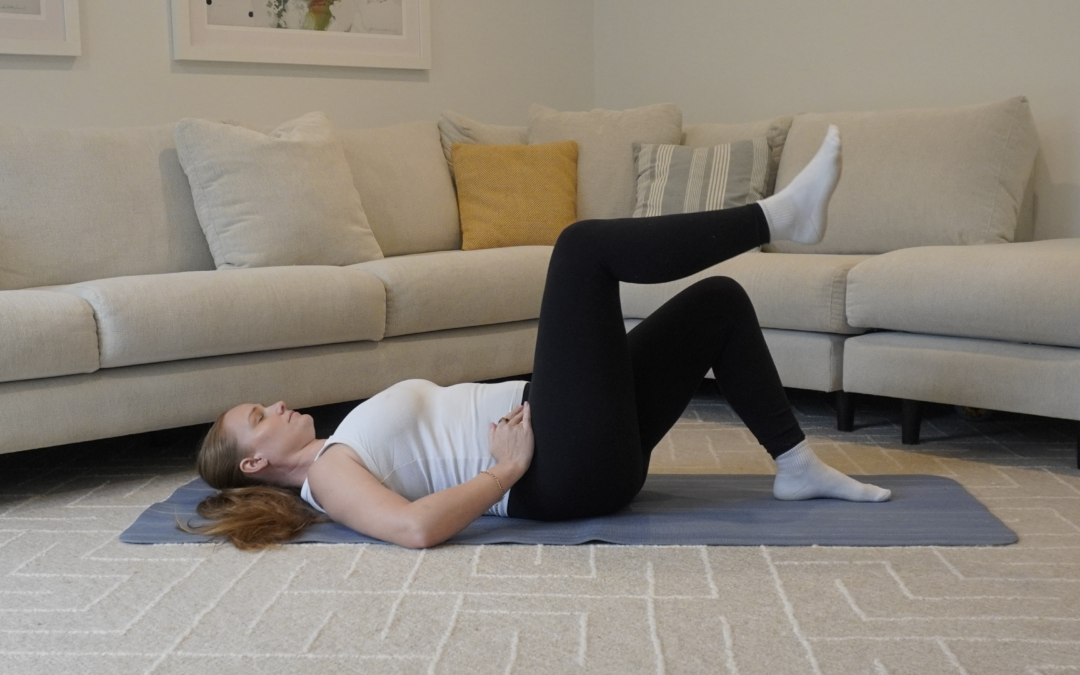
The weeks after having a baby can feel disorienting.
Your body has been through an enormous amount in a short period of time. At the same time, you’re learning how to care for a newborn, navigating broken sleep, and adjusting to a completely new routine.
For many women, exercise is the last thing on their mind. Others find themselves searching “when can I start exercising after birth” at 3am, wondering if they’re doing too much or not nearly enough.
The answer usually sits somewhere in the middle.
Postpartum recovery exercise isn’t about staying still for six weeks and then returning to your old routine overnight. It’s also not about rushing back to where you were before pregnancy as quickly as possible. For most women, recovery looks quieter than that, and it starts with small things: a short walk, standing a little taller, a few minutes spent reconnecting with your breath.
These things can seem insignificant, particularly if you were active before pregnancy. They’re not. As women’s health clinicians, we remind women constantly that recovery isn’t something that happens in the background while you wait to feel better. The early weeks provide the foundation everything else is built on.
When Can You Start Exercising After Birth?
There’s no single week that applies to every woman. Your six week check confirms healing, not fitness. It’s a starting point for a conversation, not a green light to return to your pre-pregnancy training.
What matters more than the calendar is function: how your body is responding to load, whether your pelvic floor and core are reconnecting, and whether symptoms like leaking or heaviness show up as you increase activity. This is why we talk about progression through evidence-informed stages rather than a fixed timeline.
What Does Postpartum Recovery Exercise Actually Look Like?
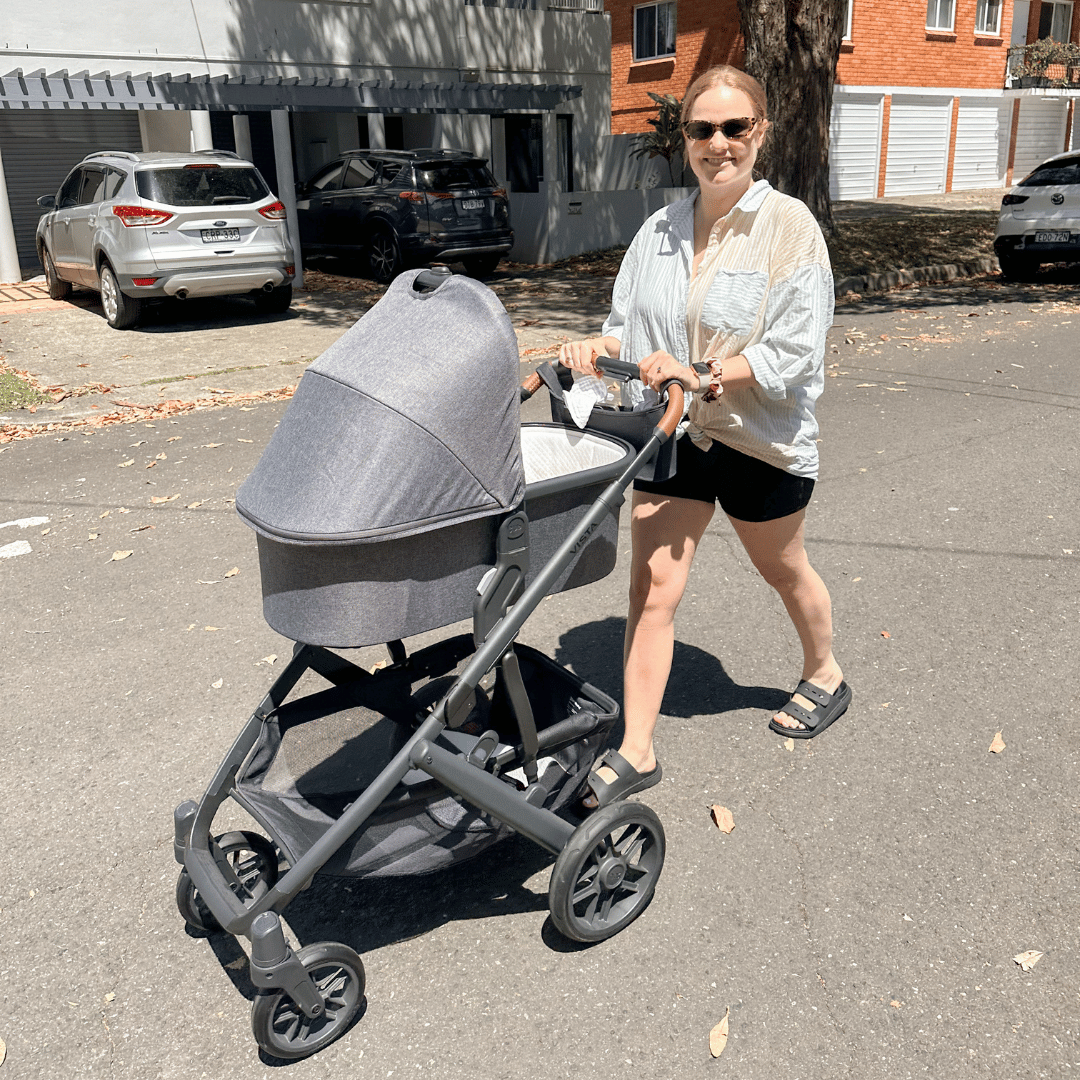
In the early weeks, we generally encourage women to focus on movement that supports recovery rather than challenges it. This can include:
- short walks, gradually increasing as comfortable
- pelvic floor exercises guided by your healthcare team
- breathing exercises that reconnect the diaphragm, abdominal muscles and pelvic floor
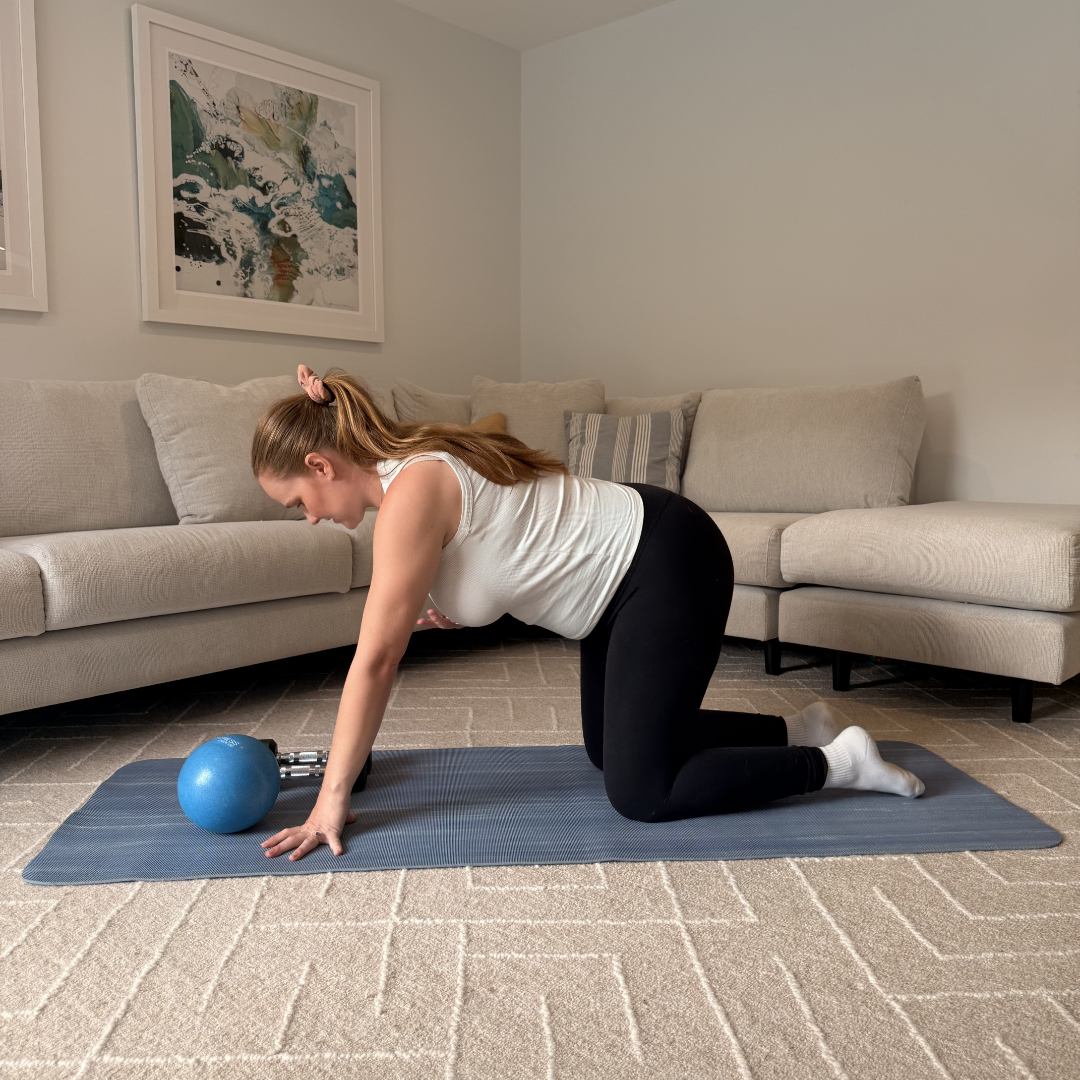
- gentle mobility for areas that become tight from feeding and carrying a baby (neck, shoulders, upper back)
- simple strength work as symptoms allow
Movement doesn’t need to be complicated. Simpler is often better. Gentle. Gradual. Consistent.
We often think progress comes from doing more: more exercise, more intensity, more effort. Postpartum recovery is usually built the opposite way, through small actions repeated over time. A short walk most days. A few minutes reconnecting with your breathing and pelvic floor. Movement that fits around feeding, naps and the unpredictability of life with a baby.
These habits build strength, confidence and capacity over time. They may not feel impressive in the moment, but they’re the foundation for everything that comes next.
How to Know Your Body Is Ready to Progress
As activity increases, pay attention to how your body responds, not just how much time has passed. Leaking urine, pelvic heaviness, increasing pain or pressure aren’t things to push through. They’re information: signs your body may need more time, more support, or a different approach to progression.
This is where a women’s health physiotherapist becomes genuinely valuable, and where functional self-assessments (rather than guesswork) help you know when you’re ready to move forward.
It can also be tempting to compare your recovery to other women, particularly when social media makes it look like everyone else is doing more, faster. Every pregnancy, birth and recovery is different. Some women feel ready to progress relatively quickly. Others need more time. Neither is better.
Recovery isn’t a race, and there’s no ideal timeline everyone should follow. The goal isn’t a milestone by a certain week postpartum. The goal is supporting your body as it heals, adapts and rebuilds strength, in whatever order that happens for you.
Frequently Asked Questions
When should I start postpartum recovery exercise?
Most women can begin gentle movement, like short walks and breathing exercises, within the first days to weeks after birth, depending on their birth experience. Structured strength work is usually introduced gradually and guided by how your body responds, not a fixed date.
Is the six week check the same as being ready to exercise?
No. The six week check confirms medical healing. Readiness to exercise is a separate question, best answered through function and, ideally, a functional self-assessment with a women’s health physiotherapist.
What are signs I'm progressing too quickly?
Leaking urine, a feeling of heaviness or pressure in the pelvis, and increasing pain are signals to slow down or seek guidance, rather than symptoms to push through.
Do I need to see a women's health physiotherapist?
It’s not compulsory, but it’s one of the most valuable steps you can take, particularly if you’re managing symptoms, had a complex birth, or want personalised guidance on progression.
Where to start:
Our Foundations of Postpartum Recovery program was built for exactly this stage. It combines evidence-based education, progressive movement and functional self-assessments so you know what your body is ready for, rather than guessing based on how many weeks have passed.